







Search Results for: natural disasters
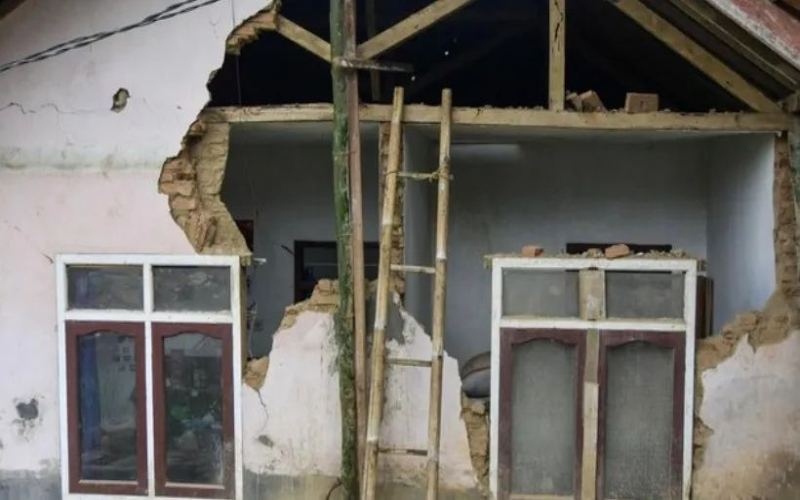
Two major coffee-producing regions in Indonesia have been hit by disasters in succession; output may decline further, and prices could keep rising.
Recently, several major coffee-producing regions in Indonesia have been hit by natural disasters. A magnitude 5.0 earthquake struck near Bandung in West Java on the island of Java, causing injuries and damage to homes; the Aceh region in northern Sumatra was hit by heavy rain and strong winds, and with the coffee harvest season underway, harvesting work has been disrupted. At the same time, several provinces are also facing ongoing drought, and coffee production may decline further. This article summarizes the disaster situations in various areas and their impact on Indonesia's coffee industry. [more…]
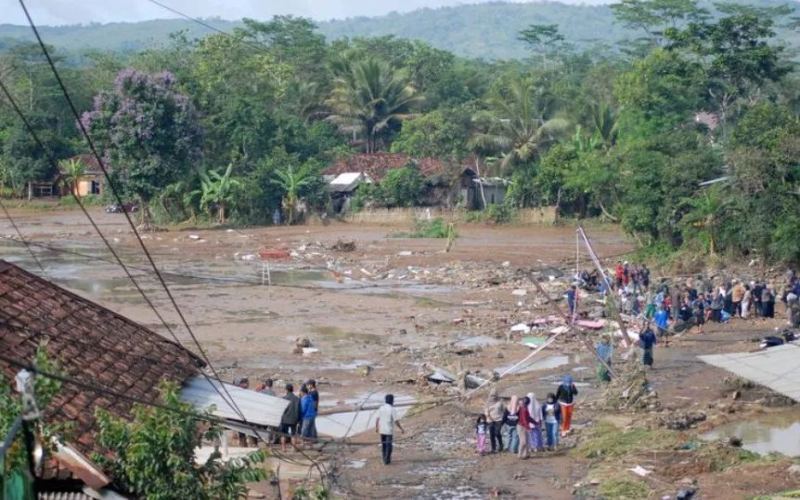
Heavy rainfall during Indonesia's rainy season hinders coffee harvesting, frequent disasters in main producing areas raise concerns about output
Since Indonesia entered the rainy season, heavy rainfall has triggered floods, landslides and other natural disasters in many places, causing casualties and damage to public facilities. This coincides with the coffee harvest season, and the affected areas are close to major coffee-producing regions, so whether plantations have been damaged remains to be confirmed. At the same time, Indonesia's coffee production for 2024/25 is expected to be revised downward, exports are forecast to decline, and combined with a weaker Indonesian rupiah exchange rate and rising fertilizer prices, robusta coffee prices may rise again in the future. This article will review the disaster impact, production data and market trends for coffee lovers' reference. [more…]

Japan Develops Atmospheric Water-Generating Coffee Machine: Providing a Safe Brewing Solution for Disaster Water Shortages
Have you ever thought about brewing coffee using air? A Japanese company has actually turned this idea into reality. They developed a coffee machine that can efficiently extract water from the air, and after multiple filtration and mineralization processes, produce safe drinking water. It is said that the original intention of this machine was to address water shortages and supply cuts caused by natural disasters, allowing people to still enjoy a cup of coffee brewed with clean water in emergency situations. How exactly does this device work? Can it really solve practical problems? And why are netizens complaining about it? This article will take you on a deep dive while also including related recommendations from Front Street Coffee. [more…]
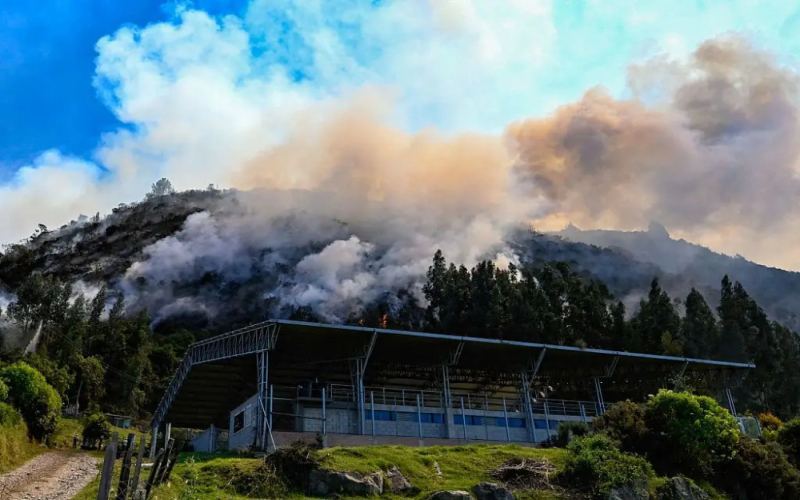
Forest fires rage in Colombia, coffee-growing heartlands face a severe test
Colombia has recently been hit by sustained high temperatures and drought, with more than 500 forest fires breaking out nationwide. President Pedro has declared a state of natural disaster. The department of Cundinamarca has been particularly hard hit, activating a public disaster emergency mechanism. Meanwhile, the fires have affected several coffee-producing regions in the central and southern parts of the country, and since March to June is the main coffee harvest season in these areas, there is widespread concern in the industry that coffee production will suffer a major blow. [more…]
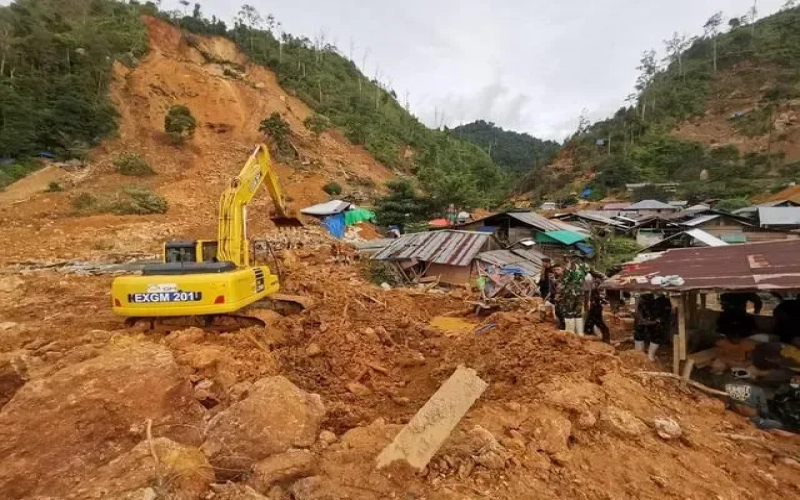
Days of heavy rain in Indonesia trigger landslides, killing multiple people; harvest in major coffee-producing areas is hindered, tightening supply.
Indonesia has recently been hit by prolonged severe weather, with landslides and floods triggered by heavy rainfall having caused dozens of casualties, and multiple provinces entering a disaster alert status. This natural disaster not only threatens the safety of local residents but also affects the country's coffee industry—major growing regions such as Sumatra, Sulawesi, and Papua are coinciding with the harvest season, and torrential rain will hinder harvest progress and cause cherries to drop, with output expected to decline. Combined with factors such as the depreciation of the Indonesian rupiah and reduced coffee production in Vietnam, international robusta prices are expected to remain high in the short term. [more…]
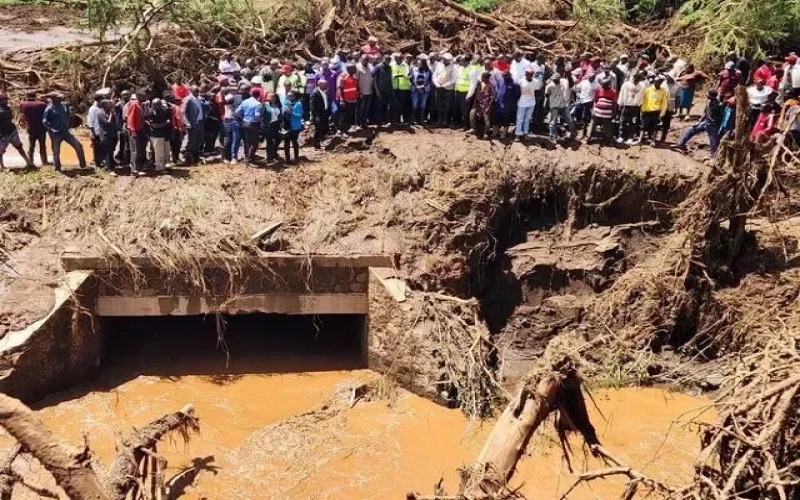
Central Kenya coffee-growing regions hit by persistent heavy rain, with Nyeri, Kiambu and other production areas suffering severe losses, casting a shadow over the next harvest season
Recently, multiple East African countries have been hit by sustained heavy rainfall, with major coffee-producing areas in central Kenya such as Nyeri, Nakuru, and Kiambu suffering severe damage. Floods, mudslides, and other disasters have caused significant casualties and property losses, and as coffee is currently in its flowering and fruiting stage, the next harvest season is expected to be severely affected. Meanwhile, Kenyan coffee auction prices have already hit record highs, and prices may climb further in the future. The Kenyan government has allocated 4 billion shillings for disaster relief. The Chinese Embassy in Kenya has also issued a reminder, calling for attention to weather changes and flood prevention and disease control. Stay tuned to the disaster situation in coffee-producing areas; Front Street Coffee will continue to follow up with reports. [more…]
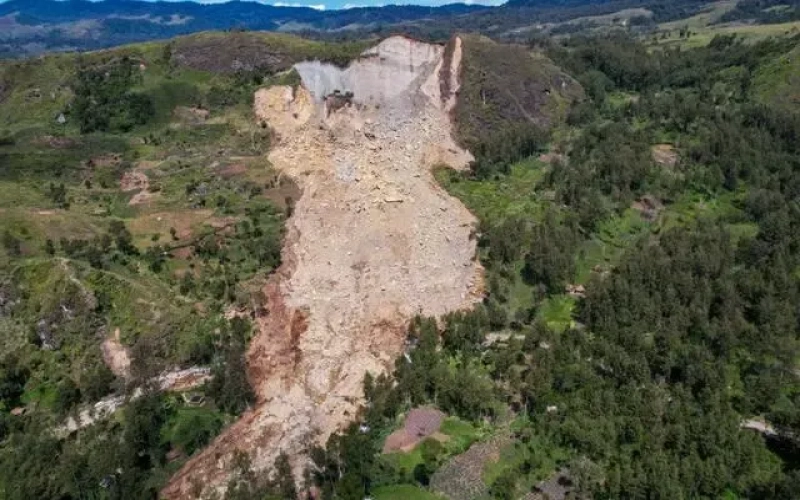
A massive landslide in Enga Province, Papua New Guinea, has buried more than two thousand people, dealing a severe blow to the coffee harvest season.
Recently, the Oceanian nation of Papua New Guinea has been hit by a series of severe natural disasters. A massive landslide occurred in the early hours of the 24th in the Mulitaka area of Enga Province in the north, burying more than 2,000 people, with the death toll now exceeding 670. Months of heavy rainfall that loosened the soil was the main cause of the disaster. The disaster area, Mount Enga, is adjacent to the Western Highlands Province, Papua New Guinea's core coffee-producing region, where coffee is mostly grown in the Waghi Valley. As the coffee harvest season is currently underway, emergency evacuations have left the coffee cherries unpicked, and production is certain to be affected. At least 15 landslides had already occurred in the country previously, and the coffee-producing region of Chimbu Province in the central region was also affected. Several countries have dispatched rescue teams to assist with search and rescue efforts. [more…]
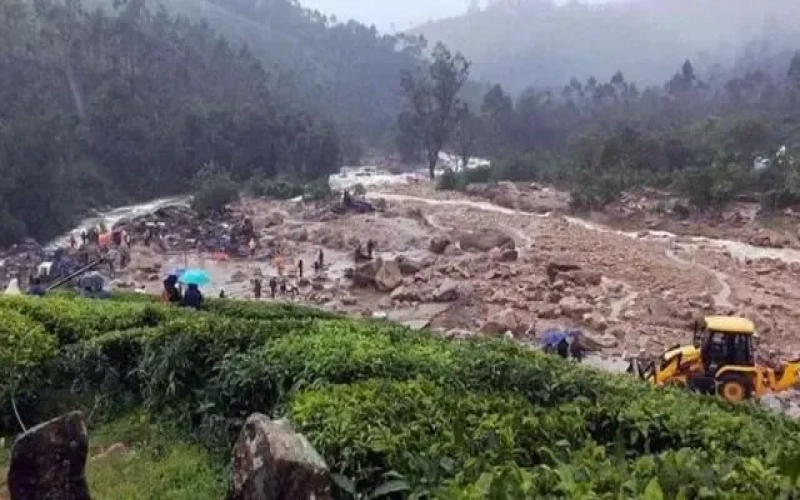
Landslides in Kerala, India, kill 358, hitting a major coffee-producing region and potentially disrupting new-crop robusta supply
In the early hours of July 30, a large-scale landslide was triggered by continuous heavy rainfall in the Wayanad region of Kerala in southwestern India. According to the latest figures, 358 people have died, with many more injured and missing. This region is not only a severely affected mountainous area but also one of India's important coffee-producing regions, primarily growing Robusta. The disaster and subsequent heavy rainfall are likely to have a severe impact on India's coffee production in the new season. Meanwhile, India's coffee export data for the first half of 2024 has performed strongly, and international coffee prices are expected to remain high until the end of the year. This article will review the progress of the disaster, the difficulties in rescue efforts, and its potential impact on India's coffee industry. [more…]
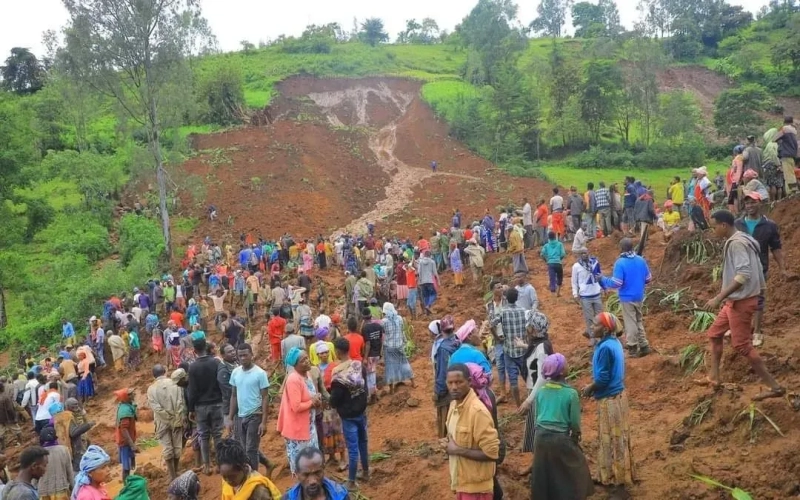
Landslide in Ethiopia's Gofa Zone Kills 229, Coffee-Growing Region Faces Risk of Reduced Output
A severe landslide occurred in the Gofa Zone of southern Ethiopia on the evening of July 21 local time. As of now, 229 deaths have been confirmed, and the casualty toll is feared to rise further. The disaster was triggered by persistent heavy rainfall, and a secondary landslide buried rescue workers. Of particular concern to coffee lovers is that the affected area covers important coffee-producing regions such as Kaffa, Jimma, and Yirgacheffe, where torrential rain and geological disasters are directly threatening the coffee-growing environment and infrastructure. At the same time, the conflict in the north and the impact of the Red Sea crisis on the port of Djibouti have plunged Ethiopia's coffee industry into multiple difficulties. Front Street Coffee will continue to follow the developments and their potential impact on the coffee supply chain. [more…]
Jamaica Blue Mountain Coffee: Causes of Production Decline and Flavor Analysis — Typica Variety Pour-Over Parameters and Brewing Method
Jamaican Blue Mountain coffee is renowned for its balanced and elegant flavor, but since October 2020, Jamaica has been hit by a series of natural disasters including tropical storms, hurricanes, earthquakes, and volcanic ash, causing road damage in the Blue Mountain coffee growing region and extensive cherry drop, with Coney Dell Estate expected to see yield losses of over 50%. This article will review the impact of these disasters, introduce the growing environment of Blue Mountain coffee and the characteristics of the Typica variety, and share in detail the brewing parameters and flavor profiles of two pour-over methods recommended by Front Street Coffee—the KONO dripper and the cloth filter—to help coffee enthusiasts gain a comprehensive understanding of the current situation and brewing key points of Blue Mountain coffee. [more…]
Indonesian Coffee Production Expected to Rebound 12.3%, Industry Recovery Still Faces Dual Challenges of Weather and Fertilizer
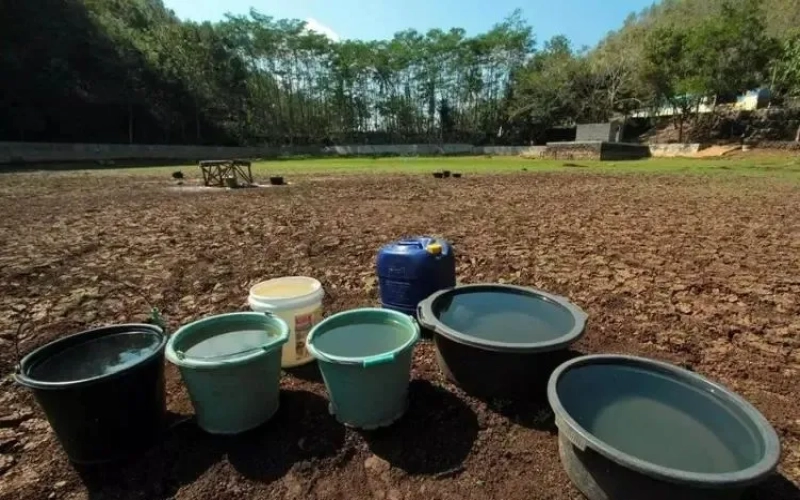
A recent coffee industry report released by Indonesia shows that after multiple natural disasters including El Niño-induced drought, floods, landslides, and volcanic eruptions, the country's coffee production fell to 9.7 million bags in the 2023/24 season. However, after entering the harvest season, actual data came in better than expected, and production is expected to rebound to 10.9 million bags in the 2024/25 season, an increase of 12.3%. Of this, Robusta production stands at 9.5 million bags and Arabica at 1.4 million bags. Although export volume is projected to rise from 4.3 million bags to 6 million bags, issues such as the La Niña phenomenon, rising fertilizer prices, and farmers' insufficient technical skills still bring uncertainty to the industry's recovery. [more…]

El Niño's lingering havoc wreaks havoc in East Africa: Kenya floods kill 289, core coffee-producing regions face crisis of reduced output
Although El Niño is expected to wrap up in April, its impact on global coffee-producing regions is far from over. Several countries in East Africa are being battered by both torrential rains and floods, with Kenya suffering especially devastating losses—at least 289 people have died and more than 280,000 have been forced to flee their homes. Worryingly, the hardest-hit areas happen to cover Kenya's main coffee-producing regions such as Nyeri, Nakuru, and Kiambu. With the critical flowering and fruiting stage now underway, this natural disaster has all but sealed the fate of a reduced harvest next season. Faced with the prospect of total crop failure, the Kenyan government has urgently allocated 4 billion shillings, while the International Finance Corporation, together with Absa Group, has injected US$60 million into coffee trading giant Volcafe in an effort to stabilize the East African coffee supply chain. Front Street Coffee will also continue to follow developments in the producing regions and bring coffee lovers the latest news. [more…]

Peruvian Volcanic Eruption Compounded by Mercury Pollution, Alarm Bells Ring for Coffee Growing Environment
Peru, a South American coffee-producing country, has recently been hit by a series of natural disasters and environmental crises. The Sabancaya volcano in the south has entered an orange alert level, and ash from frequent eruptions is severely affecting nearby farms and pastures; meanwhile, the provinces of Huancavelica and Cusco have been declared in a state of environmental emergency due to heavy metal mercury contamination. Both regions have coffee cultivation, and mercury contamination not only inhibits crop growth and reduces agricultural product quality, but may also trigger labor shortages. The Peruvian government has already launched response measures, but concerns within the industry about coffee production and quality are rising. [more…]

Blindfolded Latte Art Challenge Sweeps the Coffee World: Baristas Show Off Skills with Eyes Closed—True Talent or a Disaster in the Making?
Recently, a trend of making coffee and latte art blindfolded has taken social platforms by storm. Nominated baristas must complete the entire process of extraction, milk frothing, and latte art with their eyes closed, record a video, post it, and then nominate other peers to continue the relay. Some deliver stunning results thanks to solid muscle memory, with patterns so stable that netizens exclaim they are better than when they have their eyes open; others crash and burn on the spot, with milk fountains, crooked patterns, and messes everywhere unfolding one after another. Is this challenge a test of real skill or just pure fun? Onlookers go from confusion to admiration, and the comments section is full of witty one-liners. This article walks you through those high-scoring performances and hilarious fails, to see how baristas keep their touch even when they cannot see. [more…]
Kontum Province in Vietnam experienced 32 consecutive earthquakes within 24 hours, putting the main coffee-growing region at risk of reduced production.
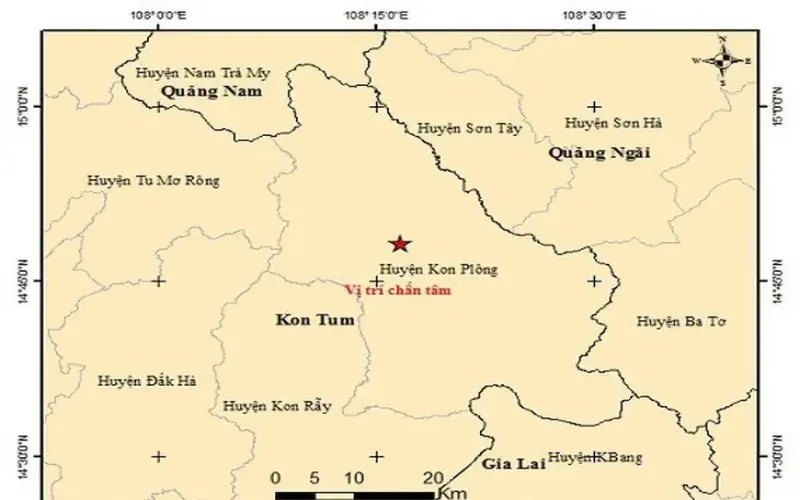
Vietnam's core coffee-producing region—Kon Plong District in Kon Tum Province—recorded 32 earthquakes within just 24 hours, the strongest reaching magnitude 5.0, triggering tremors across the Central Highlands, several surrounding provinces, and even parts of Thailand. Experts say the quakes are linked to reservoir-induced activity and may continue in the future. As a key part of Vietnam's Central Highlands coffee belt, Kon Tum Province and neighboring provinces account for about 70% of the country's robusta coffee output. The earthquakes could cause farmland subsidence, fluctuations in groundwater levels, and shortages of irrigation water. Combined with this year's severe drought and shrinking cultivation area, the risk of a decline in Vietnam's coffee production is further intensifying. Front Street Coffee will continue to monitor developments in the producing region and their impact on the coffee market. [more…]
When Coffee Beans Are Deconstructed to the Molecular Level: Can Atomo's "Molecular Coffee" Become a New Solution for the Industry?
Coffee is the most heavily traded agricultural commodity in the world, yet its production is constrained by seasons, climate, and pests and diseases. Single-origin coffees such as SOEs are even more obviously seasonal, with supply fluctuating unpredictably. Some scientists have reverse-engineered coffee beans at the molecular level, attempting to preserve caffeine and the desired flavor without relying on coffee beans, and have co-founded the Atomo brand with entrepreneurs to develop "molecular coffee." This attempt responds both to the hidden worry that future coffee varieties may disappear on a large scale and to multiple issues such as traditional brewing rituals, flavor replication, and environmental ethics. Will it open a new path for traditional coffee, or will it bring disruption? This article will sort through the technical logic, flavor challenges, and industry impact of molecular coffee. [more…]
Both Indonesia's Robusta coffee production and exports decline, market expectations unmet
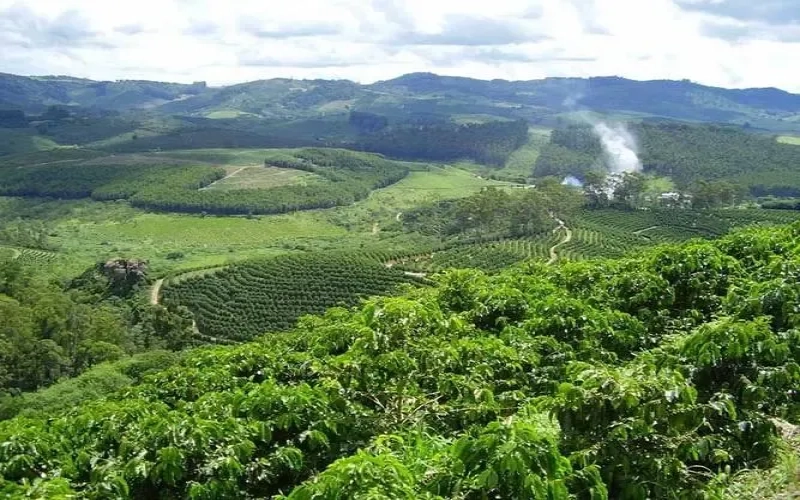
A recent Indonesian coffee industry report released by the U.S. Department of Agriculture shows that Indonesia's coffee production in 2024/25 is expected to recover to 10.9 million bags, of which Robusta is projected to reach 9.5 million bags. However, the reality is not so optimistic: since the beginning of this year, Indonesia has frequently suffered natural disasters such as floods, landslides, and volcanic eruptions, and Sumatra's Robusta exports in May plunged 54% year-on-year. With the aftermath of El Niño still lingering and the threat of La Niña approaching, coupled with rising domestic consumption and exporters holding back sales, the supply outlook for Indonesian Robusta is full of uncertainties. This article will review production, exports, climate, and market dynamics, and include relevant recommendations from Front Street Coffee. [more…]
El Niño Worsens Drought in Colombia, National Reservoir Levels Drop Below 30%, Coffee Industry Faces Dual Challenge
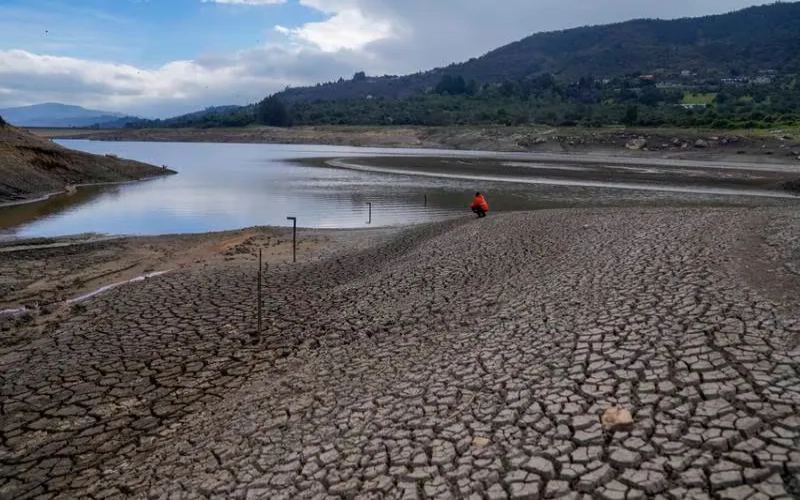
Affected by the El Niño phenomenon, Colombia has been in a state of natural disaster since the beginning of this year. The drought, which persisted until April, caused the average water storage level of reservoirs nationwide to drop to 29.96% of normal, approaching the critical threshold of 27%, impacting both water supply and power generation. Although the country is rich in freshwater resources, problems such as low agricultural water use efficiency and serious pipeline leakage are prominent, with 70% of the nation's water resources used for crops such as coffee, bananas, and flowers. The capital, Bogotá, has already implemented water restrictions, and the government has not ruled out nationwide water rationing. Fortunately, the rainy season is expected to arrive in mid-to-late April, but coffee industry insiders warn that the heavy rainfall and low temperatures brought by the subsequent La Niña may affect coffee growth, and coffee farmers need to respond in advance. [more…]
Naturally Low-Caffeine Rare Variety Laurina: The Legendary Coffee from Extinction on Bourbon Island to Revival and Rebirth
Bourbon Pointu is a rare coffee variety with elongated beans and pointed ends, discovered on Bourbon Island in 1810. Its caffeine content is only half that of ordinary Bourbon, making it a naturally low-caffeine coffee. During the 18th and 19th centuries, it was widely cultivated, with annual production once reaching 4,000 metric tons. However, disasters such as hurricanes, fire ants, and leaf rust followed one after another. After 1942, it completely disappeared from Réunion Island and was considered extinct by the coffee world. It was not until Japanese Ueshima Coffee expert Yoshiaki Kawashima spent years searching that in 2001, more than thirty surviving plants were discovered in the wild on Bourbon Island. Subsequently, French scientists collaborated with Ueshima Coffee to carry out revival efforts, and only in 2006 was the first small batch of beans harvested. This article introduces the origin of the name Bourbon Pointu, its historical rise and fall, flavor characteristics, and expensive price, as well as Front Street Coffee's recommendation and interpretation of this legendary variety. [more…]

Pointed Bourbon: A Rare Naturally Low-Caffeine Coffee Variety, Full Analysis of Flavor and History
Bourbon Pointu is a rare coffee variety with a natural caffeine content of only 0.5%, named for its narrow, elongated beans with pointed ends. It is naturally low in caffeine due to genetic degradation and has outstanding flavor, but its yield is extremely low and it is susceptible to leaf rust and black spot disease, having once become extinct. In the 18th century, it was highly praised by Louis XV and Balzac, but later disappeared due to disasters, and was only rediscovered and revived in 2001. At the 2018 World Coffee Brewing Championship, Swiss competitor Emi Fukahori won the championship using it, proving its exceptional quality. This article will introduce in detail the characteristics, history, flavor of Bourbon Pointu, and Front Street Coffee's brewing parameters. [more…]